As search engine dynamics evolve rapidly with advancements in Artificial Intelligence (AI) and Large Language Models (LLMs), organizations preparing an SEO Request for Proposal (RFP) must adapt their vendor due diligence strategies to these new realities. Traditional SEO tactics centered on keywords and backlinks are becoming insufficient to secure meaningful search visibility. Instead, procurement teams need to focus on nuanced AI visibility methodology and advanced LLM brand mentions analytics that account for AI-driven search SERP changes, particularly in the complex EU market where CTR erosion is accelerating.
This blog post covers what procurement should request in an SEO RFP optimized for the AI era, referencing insights from trusted sources like Bizzmark Blog, tools like AISEO.services, and agencies such as Four Dots. It also touches on Google AI Overviews and the implications of zero-click search, brand mention monitoring in LLM citations, and the shift towards entity-first SEO paired with schema-first publishing.
Why is AI Changing the SEO RFP Landscape?
Before getting into specific SEO RFP questions, it is critical to understand how AI impacts search and what this means for visibility strategies. Google’s integration of AI, evident through Google AI Overviews and the increased use of LLMs like ChatGPT in everyday search experiences, results in what many industry watchers call CTR erosion — where fewer users click through to traditional web listings, particularly in EU markets under strict privacy regulations.
For procurement, this means that RFPs must go beyond asking for basic keyword rankings or backlink profiles. Instead, they should demand clarity on how vendors plan to secure visibility before the click—often called zero-click or pre-click visibility—and how they monitor emerging AI signal factors like entity relevance and schema markup completeness.
Key Themes to Address in SEO RFP Questions
1. Google AI Overviews and EU CTR Erosion
Google AI Overviews provide high-level summaries of content that Google’s AI models prioritize in search results, often highlighting entities and relationships rather than exact keyword matches. This has contributed to a noticeable drop in organic click-through rates (CTR), particularly in European markets where AI-curated answer boxes and privacy-driven search features minimize clicks.
Procurement should ask:
- How do you incorporate insights from Google AI Overviews into SEO strategy development? What methodologies do you use to measure and mitigate CTR erosion specific to EU audiences? Can you provide case studies showing how your interventions improved pre-click visibility despite zero-click trends?
2. Zero-Click Search and Pre-Click Visibility
Zero-click searches represent queries answered directly on the search engine results page (SERP) without a user needing The original source to click through to a website. While this might seem detrimental at first, advanced agencies treat zero-click visibility as brand impression opportunities and funnel points.
Procurement should demand clarity on:
- Strategies and tooling that identify and optimize for zero-click search formats (featured snippets, knowledge panels, AI-generated answer cards). How pre-click visibility impacts brand health and conversions in measurable ways. Monitoring systems for brand mentions both on SERPs and in AI-generated content summaries.
3. LLM Citations and Brand Mention Monitoring
Modern search increasingly leverages LLMs such as ChatGPT, which cite sources to increase content trustworthiness. However, managing and monitoring LLM citations is complex and frequently overlooked, leading to potential brand visibility gaps or misinformation.
Agencies like AISEO.services and Four Dots emphasize methodologies to track references to brands within AI-generated content domains.
Recommended RFP questions include:
- How do you track and influence citations in LLM-generated content that impacts brand perception? Which tools or custom solutions do you use to monitor AI-powered brand mentions outside conventional web analytics? Can you explain your approach to addressing misinformation or lost citations in AI-driven search outputs?
4. Entity-First SEO and Schema-First Publishing
Gone are the days when simply stuffing keywords and backlinks propelled rankings. AI-driven search prioritizes entities—meaning people, places, products, organizations—and their relationships. This requires a shift to semantic SEO, emphasizing schema markup and structured data publishing.

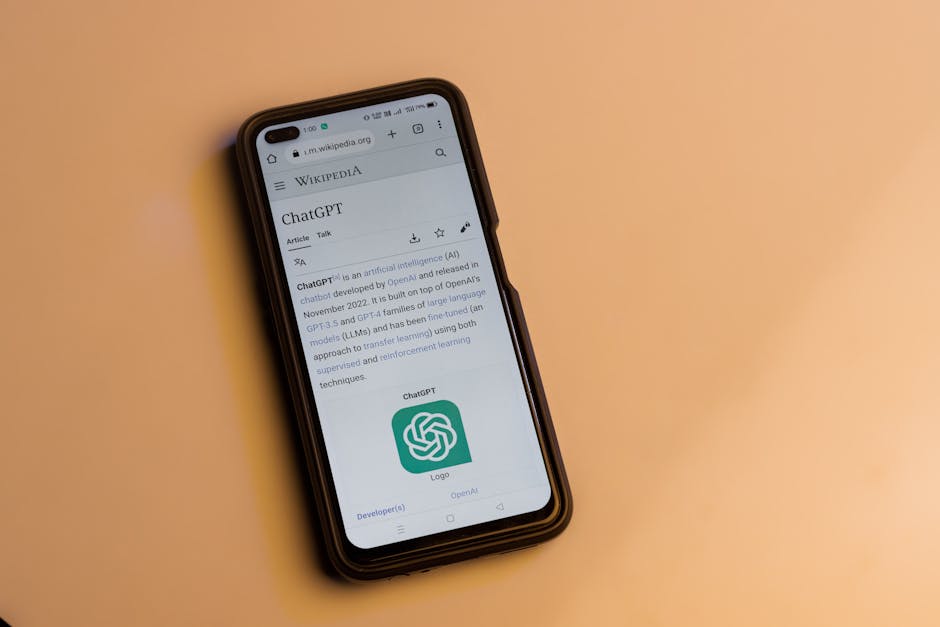
Procurement must ask:
- What is your process for entity mapping aligned with industry ontologies and Google’s entity recognition? How do you ensure schema markup is comprehensive, error-free, and aligned with your entity-first strategy? What continuous audit or validation methodologies are in place to maintain schema accuracy across multiple languages and markets?
Sample SEO RFP Questions for AI-Era Search
Category Key SEO RFP Questions Google AI Overviews & CTR- How do you analyze and incorporate data from Google AI Overviews into actionable SEO tactics? What metrics do you use to detect and counteract CTR erosion, especially for EU markets? Can you provide dashboard screenshots showcasing pre- and post-intervention CTR trends?
- Describe your approach to optimizing for zero-click results while maintaining brand presence. What reporting mechanisms capture pre-click visibility and related conversion signals? How do you handle evolving SERP features that impact user engagement?
- Explain your process and tools for monitoring brand citations within AI-generated content, such as ChatGPT responses. How do you handle misinformation or missed citations that may affect brand trust? Provide examples of successful LLM citation management or brand visibility improvement cases.
- What framework do you use for entity identification, mapping, and prioritization? How do you integrate structured data and schema-first publishing in a multilingual, multi-market environment? What ongoing schema validation and audit processes do you offer to ensure continued search visibility?
Vendor Due Diligence Best Practices
While reviewing agency capabilities, procurement must balance innovation with transparency. Here are some final recommendations for due diligence when evaluating SEO vendors in the AI era:
Demand transparency in data and reporting: Ask for live dashboards and screenshots rather than static slide decks. Look for meaningful KPIs beyond vanity metrics. Question how vendors measure brand impact from AI and zero-click visibility: For example, what happens when CTR drops another 10%? How do they prevent cascading business impacts? Request clarity on tooling for LLM citation measurement: Agencies that cannot explain their methodology should raise red flags. Prioritize semantic and schema expertise over keyword-stuffing rhetoric: Evaluate entity-focused strategies and schema-first publishing processes thoroughly. Ensure alignment with EU privacy standards: Data handling and measurement approaches must comply with GDPR and other local regulations.Conclusion
Procurement teams drafting an SEO RFP in today’s AI-driven search environment face a unique challenge: selecting vendors who demonstrate expertise beyond legacy keyword tactics and who can navigate complex dynamics like Google AI Overviews, zero-click search, LLM citations, and entity-first SEO. Including targeted SEO RFP questions that test vendor capabilities in these areas—and insisting on clear visibility into their data methodologies—will help avoid wasted executive time and ensure measurable brand impact in an era where the rules of search have fundamentally changed.
For more on evolving SEO strategies, check out the Bizzmark Blog, and explore AI-driven tooling with AISEO.services and agency best practices with Four Dots. Leveraging these insights can transform your SEO procurement process to thrive in the AI era.